Community
BHM 2022 – Time for Change: Action Not Words
The theme for Black History Month UK 2022 is – Time for Change: Action Not Words
Introduction
Earlier this year in USA Black Health and Wellness was considered.
Our three reflections will focus on a call for change and action with the area of healthcare:
1. People of colour who have been influential in healthcare, their call for change and the actions they took.
2. The particular health and well-being problems experienced by people of colour, the influence of history and environment giving rise to specific challenges.
3. The place of education in raising the profile of these matters, changes in approach that are needed and actions being considered, including the influence of the church.
The particular health and well-being problems experienced by people of colour, the influence of history and environment giving rise to specific challenges,
inequalities and opportunities.
In looking at the various statistics, the base line for England and Wales may be helpful.
The 2011 Census data shows that:
the total population of England and Wales was 56.1 million
48.2 million people (86.0%) were from White ethnic groups,
4.2 million people (7.5%) were from Asian ethnic groups,
1.9 million people (3.3%) were from Black ethnic groups,
1.2 million people (2.2%) had Mixed ethnicity, and
0.6 million people (1.0%) belonged to other ethnic groups
Two Inequalities, suicide rates and corona virus, are representative of the many problems encountered by people of colour. It is time for change.
In the UK, suicide rates are higher in black men than in their white counterparts. Action is being taken to address these and other critical issues. Now many black individuals and platforms foster community and provide resources to those suffering mentally and physically. “Our bodies are really the arbiters of safety, and when we’re not safe in the world, being honoured in our humanity, or if our basic human needs aren’t being met, then we start to break down —spiritually, emotionally, physically,” explains Latham Thomas, doula, author and founder of wellness platform Mama Glow. “The only pathway to move forward and stay strong is to be gentle with yourself and become acquainted with your vulnerabilities. For us to be able to do this work constantly and show up, we have to take care of ourselves, and how we do that is so hinged on us being able to have access and tools for self-care.” Latham Thomas has made it her mission to bridge the gap between wellness, spiritual growth, and radical self-care. In addition to being a source of support and information for expectant black mothers, who are at higher risk of experiencing poor maternal-health outcomes, Thomas offers aid in restorative ritual practices, such as meditation as well as webinars for doulas and parents.
Addressing the deep need for more diversity in the wellness industry, platform Dive In Well was recently relaunched and expanded by founder Maryam Ajayi, an entrepreneur and energy healer, to offer more digital workshops, workbooks, and consulting in an effort to bolster both individuals and businesses to support inclusivity.
The Black Mental Health Alliance (BMHA) is a community-based membership organisation designed to develop and sponsor education programs and services to support optimal mental health and well-being within the black community. Amid the COVID-19 crisis, BMHA has been offering engaging online discussions, from discussing the strengths and vulnerabilities of the black community to help navigating the economic crisis.
The coronavirus pandemic continues to have a disproportionate impact on people of colour. COVID-19 has placed ethnic inequities in health outcomes in sharp focus. Of the first 100 NHS clinical staff to die of the disease, 60 were from a Black, Asian or minority ethnic background, despite the fact that overall only 20% of NHS staff are from these backgrounds.
Clear differences in outcome according to ethnic background may be identified. Black and Asian patients were respectively 30% and 49% more likely to die within 30 days of hospital admission compared to patients from white backgrounds of a similar age and baseline health. Black patients were 80% and Asian patients 54% more likely to be admitted to intensive care and need invasive mechanical ventilation. When the role played by underlying health conditions, lifestyle, and demographic factors is taken into account, this did not alter the increased risk of death in Black and Asian populations. A study named structural racism as one of the risk factors associated with these worse outcomes associated with ethnicity, alongside living conditions such as multi-generational households, underlying health status, public-facing jobs and socio-economic status. Also emphasised was the need to take account of a number of potential factors including household composition, environmental concerns and occupation. There is also evidence to show the cumulative experiences of racism and discrimination have themselves been associated with outcomes such as hypertension, coronary artery disease and asthma.
Achieving health justice and truly eradicating inequalities requires new laws, policies and governmental protocols to be written and implemented with the explicit goal of achieving equity. Some of the factors may be addressed by racial wellness workshops.
Black Learning Achievement and Mental Health (BLAM UK) is delivering online group therapeutic workshops led by Black therapists to help their community heal and deal with racial trauma. Some are for men only and cover four main aspects of well-being:
- The effects of Black trauma
- Understanding and dealing with racial microaggressions
- The duality of being both Black and British
- And how to use creativity as a therapeutic means of liberating one’s self from the effects of racial trauma via poetry therapy
Other health issues include high blood pressure, diabetes and certain forms of hepatitis which people from Black and Asian communities are more likely to develop than white people. This makes them more likely to need a transplant. 3 in 10 (31%) of people waiting for a transplant across the UK are from a Black, Asian or minority ethnic background. Over a third of people (35%) waiting for a kidney are from these backgrounds.
Increasing the number of Black people who donate blood is an urgent priority for NHS Blood and Transplant. Black donors are ten times more likely to have the Ro and B positive blood types urgently needed to treat the 15,000 people in the UK suffering from sickle cell disease which is a painful and debilitating condition particularly prevalent in people with an African or Caribbean background. To get the best treatment, patients need blood which is closely matched to their own. This is most likely to come from a donor of the same ethnicity. Yet only 1% of current blood donors are Black. While people from all communities and backgrounds do give blood, fewer than 5% of our blood donors who gave blood in the last year were from black, Asian and minority ethnic communities. This is despite black, Asian and minority ethnic communities representing around 14% of the population. The Blood Transfusion Service wants to try and readdress this balance.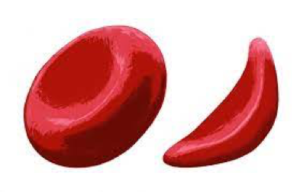
Time for Change: Action Not Words
It can be seen that there are specific areas in which particular health problems arise. Some are being addressed but much more needs to be done to raise awareness.
——————–
Information correct at August 2022.
The above abridged excerpts come from the following websites where more information may be found:
https://www.blackhistorymonth.org.uk/black-history-month-2022
https://blackmenshealth.org.uk/2021/03/16/blam-racial-wellness-workshops/
https://www.awarenessdays.com/awareness-days-calendar/black-history-month-2022/]
https://www.vogue.co.uk/beauty/article/black-mental-health-wellness-resources
———————————————————————————–